AMS Secondary I–II Credential · awarded by CMStep

Before it changes your classroom, it will change you.
A two-year, low-residency Montessori credential for guides of twelve- to eighteen-year-olds. The coursework is online, through the school year; the nineteen days together in Barcelona all fall in the school holidays. You keep your class, your salary and your life at home.
Scroll to step through
At a glance
- Credential
- AMS Secondary I–II, awarded by CMStep
- Format
- Two years: online coursework and 19 days in Barcelona
- When you travel
- School holidays only
- Total fees
- €10,200
- Next cohort
- Summer 2028
Teaching in the EU? Erasmus+ staff mobility can often fund the travel and stay for the residencies, and sometimes part of the fee. Ask your school’s Erasmus+ coordinator early: applications close months before the summer.
The threshold
Montessori asked the adult to change first.
“The adolescent must never be treated as a child, for that is a stage of life that he has surpassed. It is better to treat an adolescent as if he had greater value than he actually shows than as if he had less.”Maria Montessori, From Childhood to Adolescence
Her argument was never really about technique. Before a guide can be of any use to an adolescent, something has to give way in the adult: the habit of correcting, the need to be the source of the answer, the reflex to praise, the impatience for results. Not less authority — a different kind. A method can be taught in a few months, sometimes a few years. The rest asks for deep work on oneself — and a training that transforms.
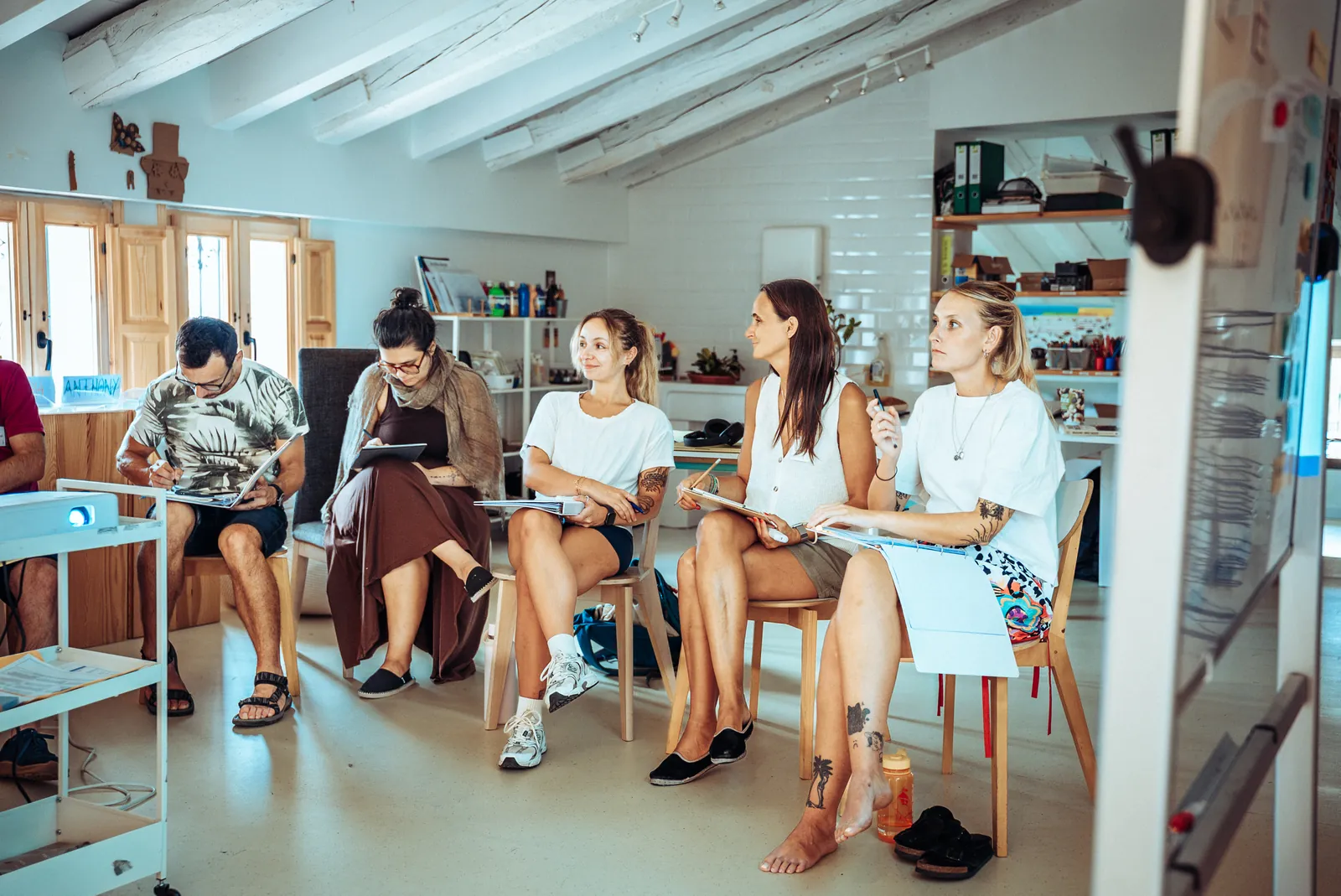
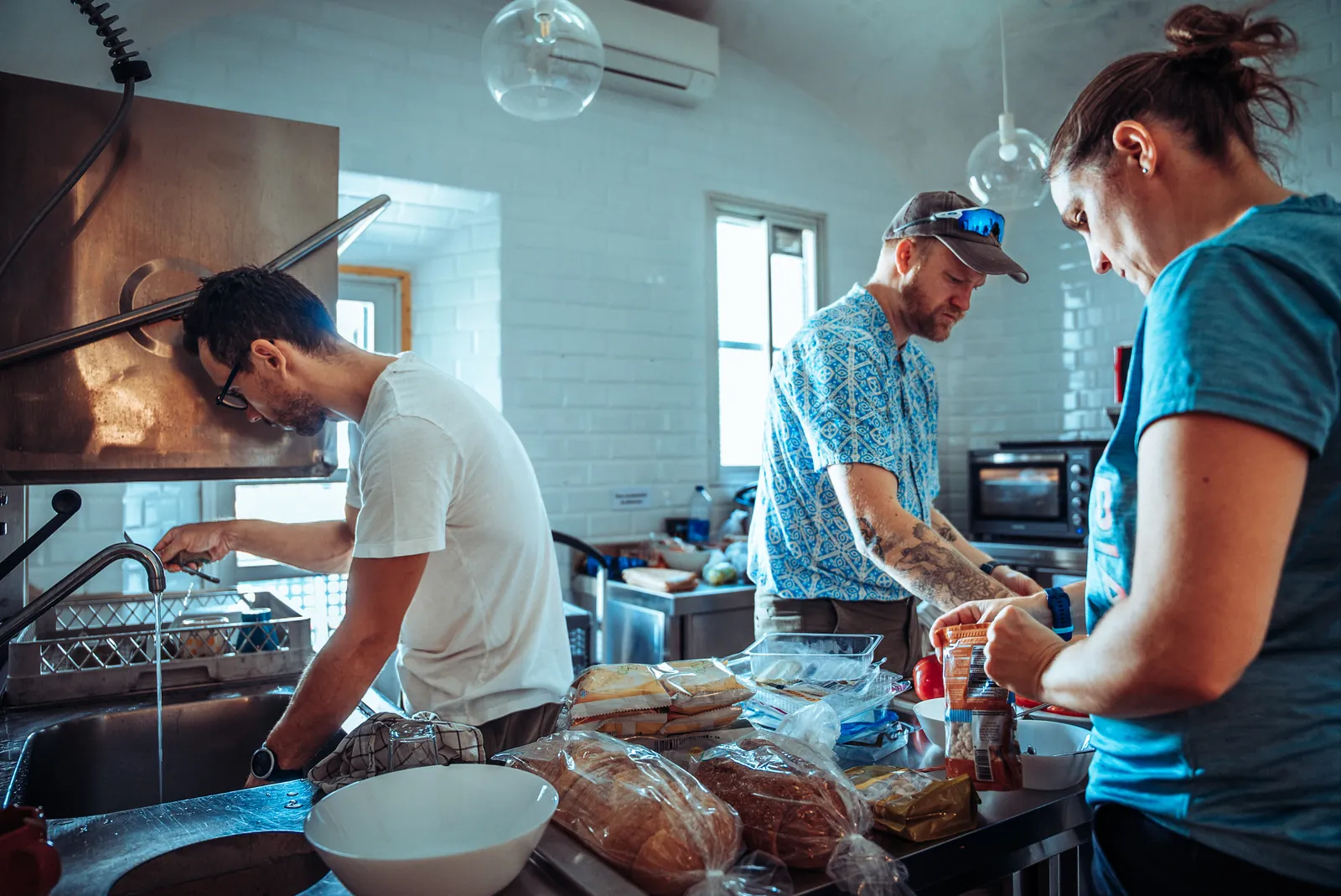
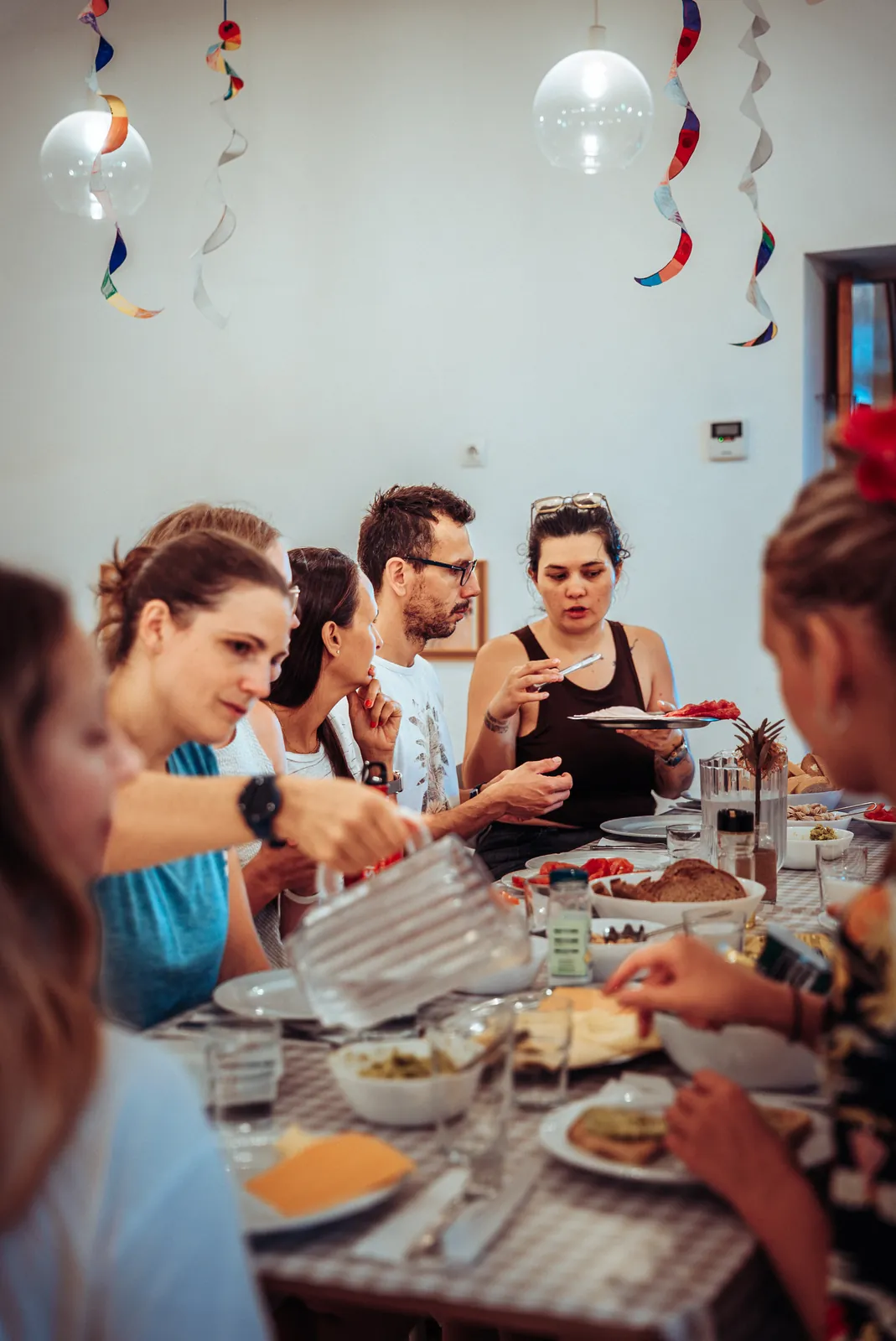
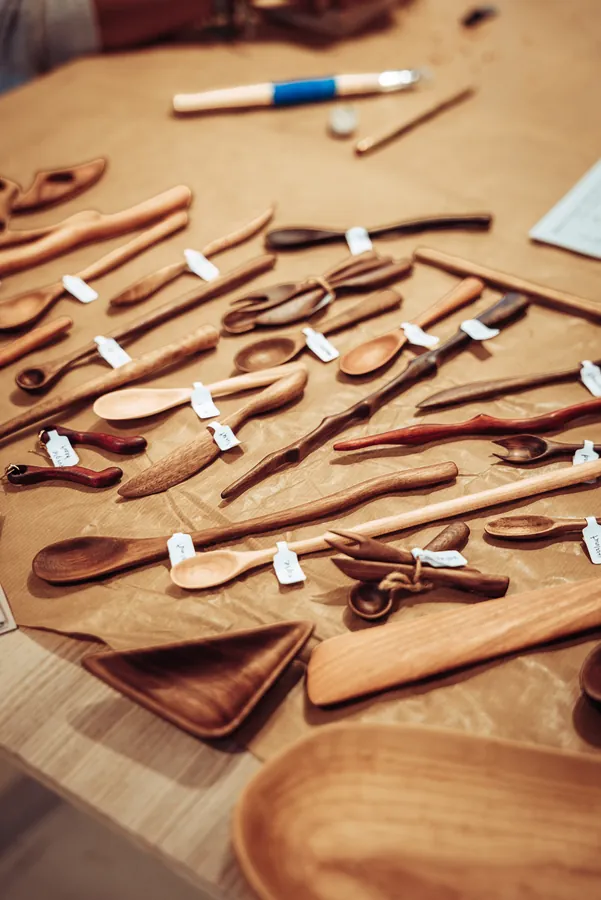
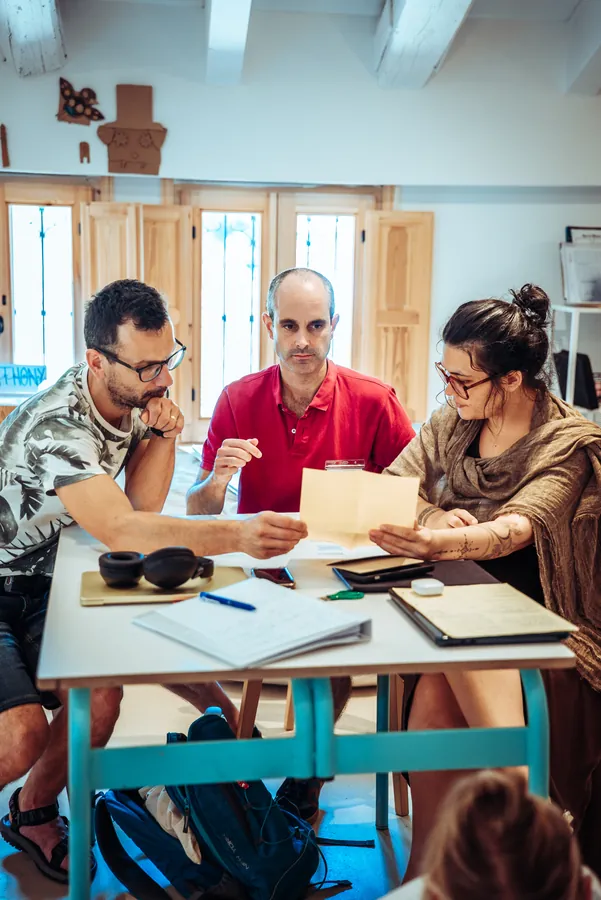
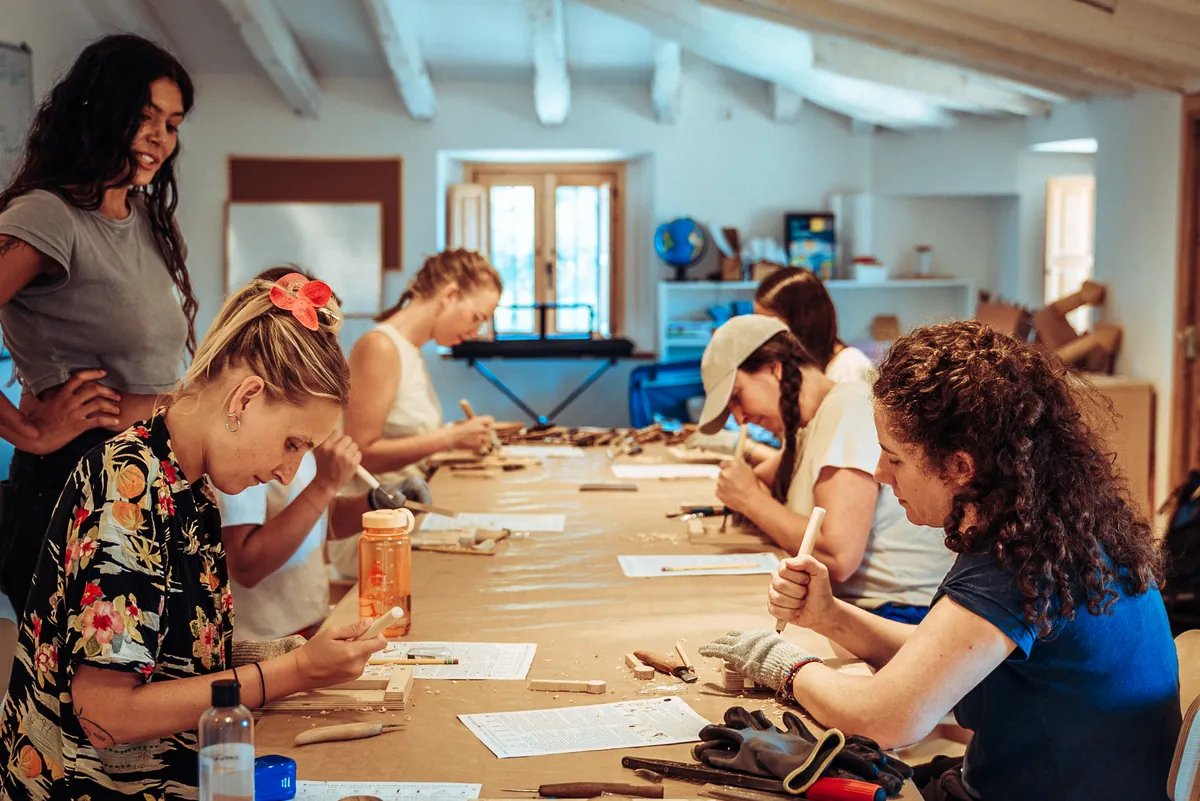
So the training asks of you exactly what the Secondary programme asks of a thirteen-year-old. You will cook for the group, carve and weave, tend the land, run a community meeting and sit in seminar, where listening counts for as much as speaking — not as metaphor, as coursework. The fastest way to understand what this work demands of a young person is to be asked it yourself.
The other half of the preparation is the environment. In the adolescent programme the materials become the school itself — the kitchen, the land, the workshop, the account book — and the adult’s work is to prepare that environment, then to become part of it.
The mark at the top of this page is an arch. Every stone leans on the one beside it, and together they carry a weight none could carry alone, without ever closing the opening. That is what a community of adolescents is. It is also what your cohort becomes.
Built around a working life
You do not have to stop your life to do this.
Most trainings of this level ask you to stop — to leave your class for a year, or to move to another city. This one is built the other way round. The theory runs online, in evenings and weekends across the school year, in nine minimesters of about twenty-five hours each. The parts that can only be done in a room together — the hand work, the seminars, the community meeting — happen in Barcelona during the school holidays, in summer and at Christmas, when you are free anyway. And the practicum year is spent in your own classroom, with a consultant coming to you.
Nobody has to choose between the training and the children — the ones at home or the ones at school. Teachers do this while teaching; parents do it while parenting; the school that employs you keeps its teacher, and gets one back who is changing while still in the building.
What it asks in return is honest: around ten hours a week online during a minimester, and your holidays for the residencies — nineteen days in Barcelona over the two years.
Recognition
What you walk out with.
You graduate with the American Montessori Society Secondary I–II Credential, recognised for teaching ages 12–18.
CMStep has been accredited by MACTE and affiliated with AMS since March 2007.
Barcelona is a CMStep training site, so European guides can earn the credential without crossing the Atlantic.


The idea
Montessori called them the Erdkinder — children of the land.
“The chief symptom of adolescence is a state of expectation, a tendency towards creative work and a need for the strengthening of self-confidence.”Maria Montessori, From Childhood to Adolescence
Ask anyone what they remember of being fourteen. It is rarely a lesson; it is the friends, the group, the thing they did together. Adolescence, Montessori argued, is a second birth — into society this time — and it is not served by sitting still. It needs real work with real consequences: a tool made well enough to be used, a piece of land tended across a season, a community that learns, with its adults, to run its own week. It needs, in equal measure, a group to belong to and a place to be alone — and adults near enough to protect them while they try both. The Secondary curriculum is built on those convictions, and so is the way we teach it.
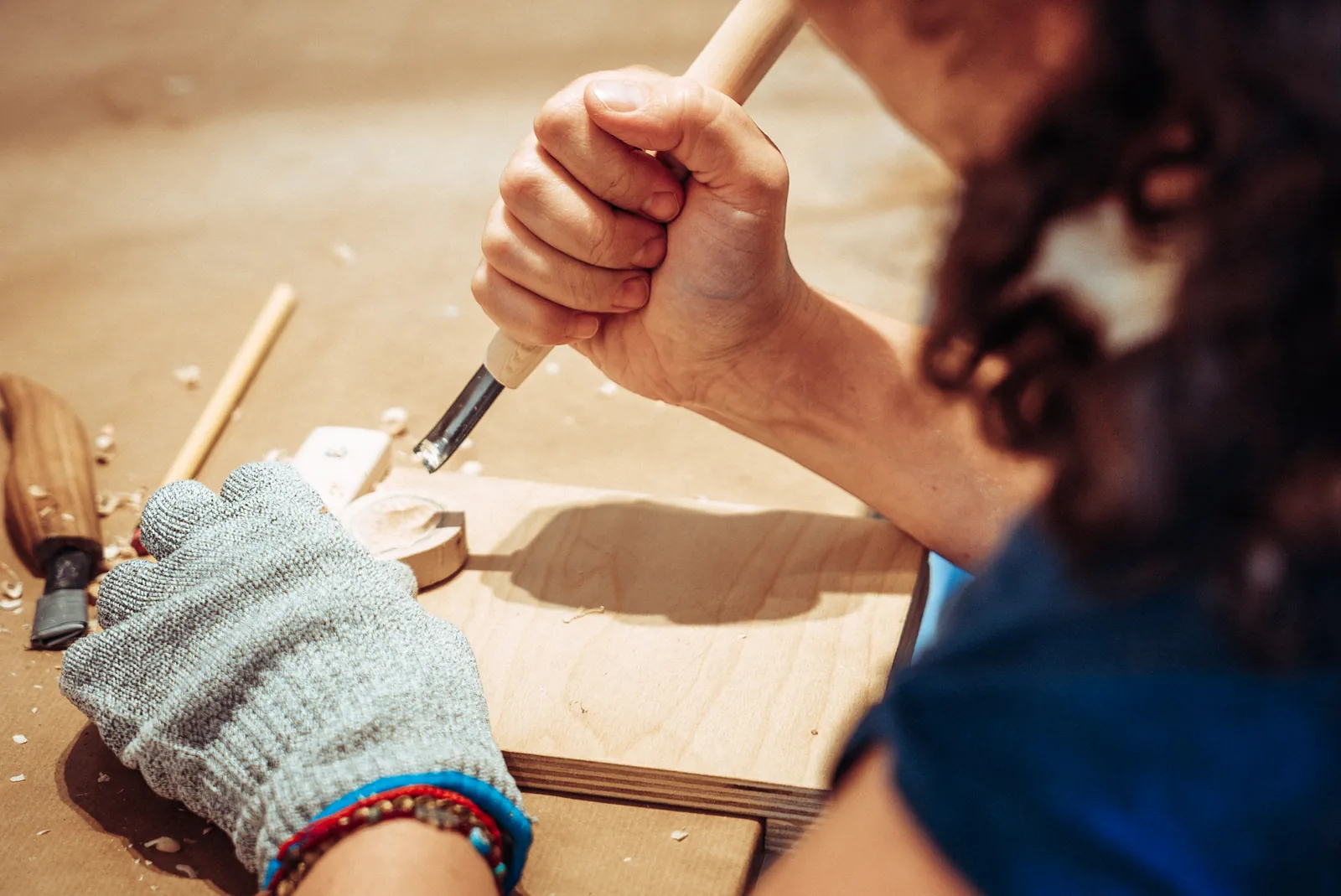
You will not spend a fortnight only listening to lectures about adolescent development. Montessori spoke of the hand as the organ of the mind and the will, and she meant it literally: the brain is built by what the hands do, and manual work is not exercise for the fingers but the accomplishment of an entire thing, from raw material to finished object. An adolescent who has made something whole, and finished it, carries a certainty back into the study hall that no lesson can give. Montessori’s word for that certainty was valorisation: feeling oneself capable of succeeding by one’s own efforts and on one’s own merits.
Montessori had a name for what comes next: production and exchange. She called economic independence the essential reform of secondary schooling — not for the money, but for what the attempt does to a person. What the group makes is sold — honey from the hives and spoons from the workshop are the classic examples — and the money is real. What sells, what to make more of, what to do with the proceeds: these become the group’s own decisions, with consequences they live with. And a sale means standing in front of a stranger and explaining your own work — how the jam was made, what this school is, why it took a season. Repeated often enough, that conversation is how a fourteen-year-old is introduced to the adult world — from inside a community that protects them while they try it.
“Produce for people unknown to him. This represents a connection.”Maria Montessori, Oxford lectures, 1936
In Barcelona it begins in a kitchen. The adolescents of the Secondary programme have a professional kitchen of their own, and they run it: the menus, the shopping, the budget, the cooking. That is where the questions of this age arrive on their own — what a fair price is, whether to buy cheaper or better, what to do when the budget will not stretch. Montessori called adolescence the sensitive period for justice and for personal dignity, and there is no better material for either than a budget that is really yours.
The evidence
What a brain scanner can see.
Montessori wrote before neuroscience had the instruments to check her. For the last decade a team at Lausanne University Hospital has been checking — children and adolescents from Swiss Montessori and conventional schools, sitting the same tests and, for some, lying in the same scanner. Three of their findings bear directly on how an adolescent guide is prepared.
Errors
Solving maths in the scanner, students from both systems got the same number right. After a wrong answer, the conventionally schooled brain linked its error-monitoring region to memory — retrieving the right answer; the Montessori-schooled brain linked it to the frontal regions that work a problem through. Two habits of mind, already visible at twelve.
Denervaud, Knebel, Immordino-Yang and Hagmann, npj Science of Learning, 2020 · 32 students aged 8–12Praise
Children graded and praised for right answers come to feel that a right answer is good — and, by symmetry, that a wrong one is bad. Students from Montessori schools showed no such bias: right and wrong were information, not verdicts. In adults the association is automatic and hard to undo. It is why this training works on the reflex to praise before it works on anything else.
Denervaud, Hess, Sander and Pourtois, Developmental Science, 2020Creativity
In seventy-five students aged four to eighteen, those from Montessori schools scored higher on creative thinking, and the network the brain uses as an alarm — the salience network — was quieter at rest. The team’s reading is that an alarm kept ringing gets in the way of the conversation between imagining and doing. Montessori’s word for keeping it quiet was protection.
Duval, Fornari, Décaillet, Ledoux, Beaty and Denervaud, Developmental Science, 2023 · 75 students aged 4–18None of this proves a method, and the authors say so: these are comparisons, not trials. What they show is that the habits an environment rewards leave traces — and that the traces are there by the time a student reaches the adolescent programme, which is exactly when the adult’s own habits matter most.
How it runs
Two years. Nine online minimesters. Nineteen days in Barcelona.
The low-residency pathway is built so you can keep teaching while you train. Coursework runs online across the year; you come to Sarrià for the parts that can only be done in a room together.
The next cohort begins in summer 2028. Residency dates will be published here as soon as they are fixed.
Pre-training
Completed before Minimester I. The Overview Course is also required before the credential is awarded, unless you already hold a Montessori Elementary credential.
Nine online minimesters
Philosophy, curriculum and pedagogy with the CMStep faculty and your cohort, fitted around a working school week.
First Barcelona residency
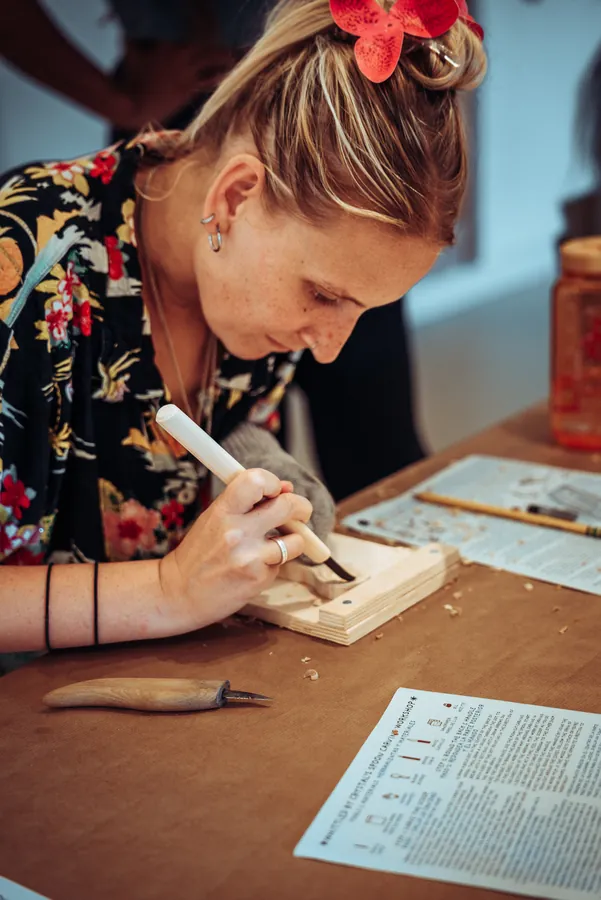
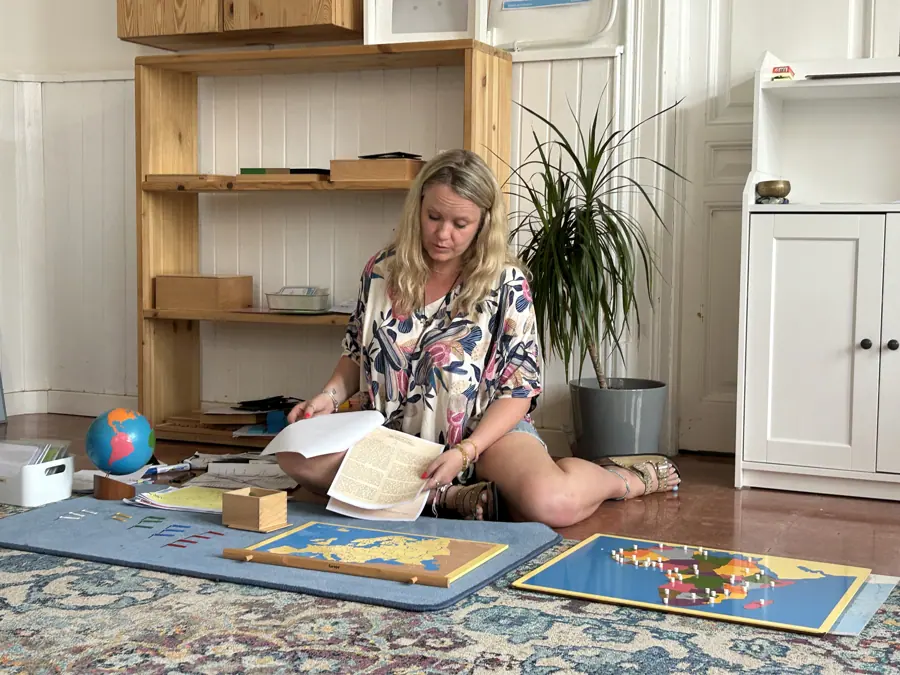
The long stay. Curriculum, seminars and the practical occupations — carving, weaving, cooking, land work — done rather than described, and your own piece of study presented to the group in whatever form it wants to take.
Fall intensive
A short return for observation in a working Secondary environment and the practice of running a community meeting.
Teaching under supervision
You apply the training in your own classroom, with a CMStep field consultant visiting you twice in person.
Final residency and close
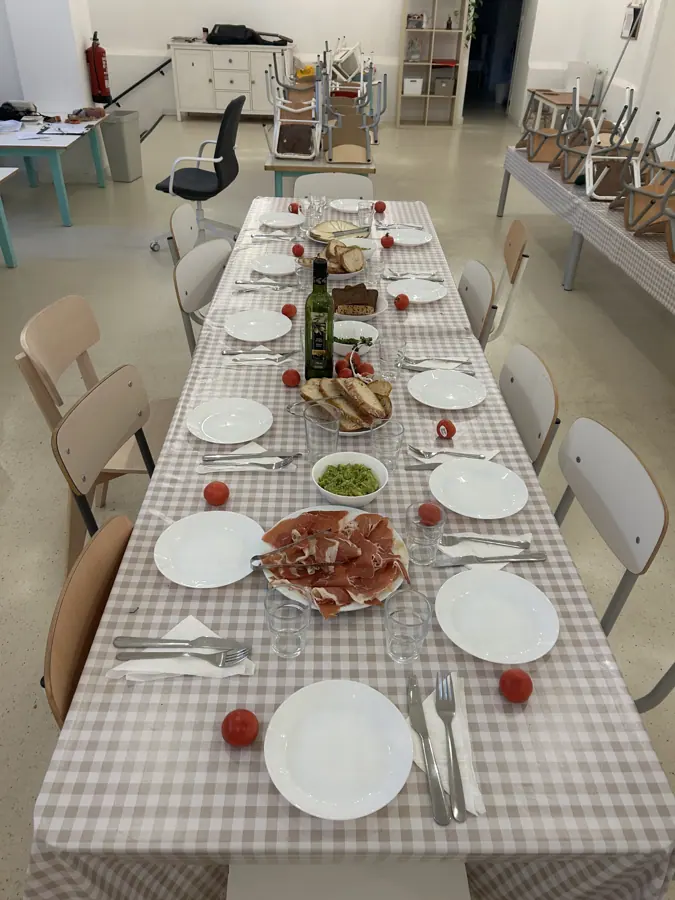
Closing seminars, portfolio and presentations, and the last of the cohort's shared meals.
Instruction is in English, with bilingual trainers. Written work may be submitted in Spanish.
The residency
Nineteen days in Sarrià.
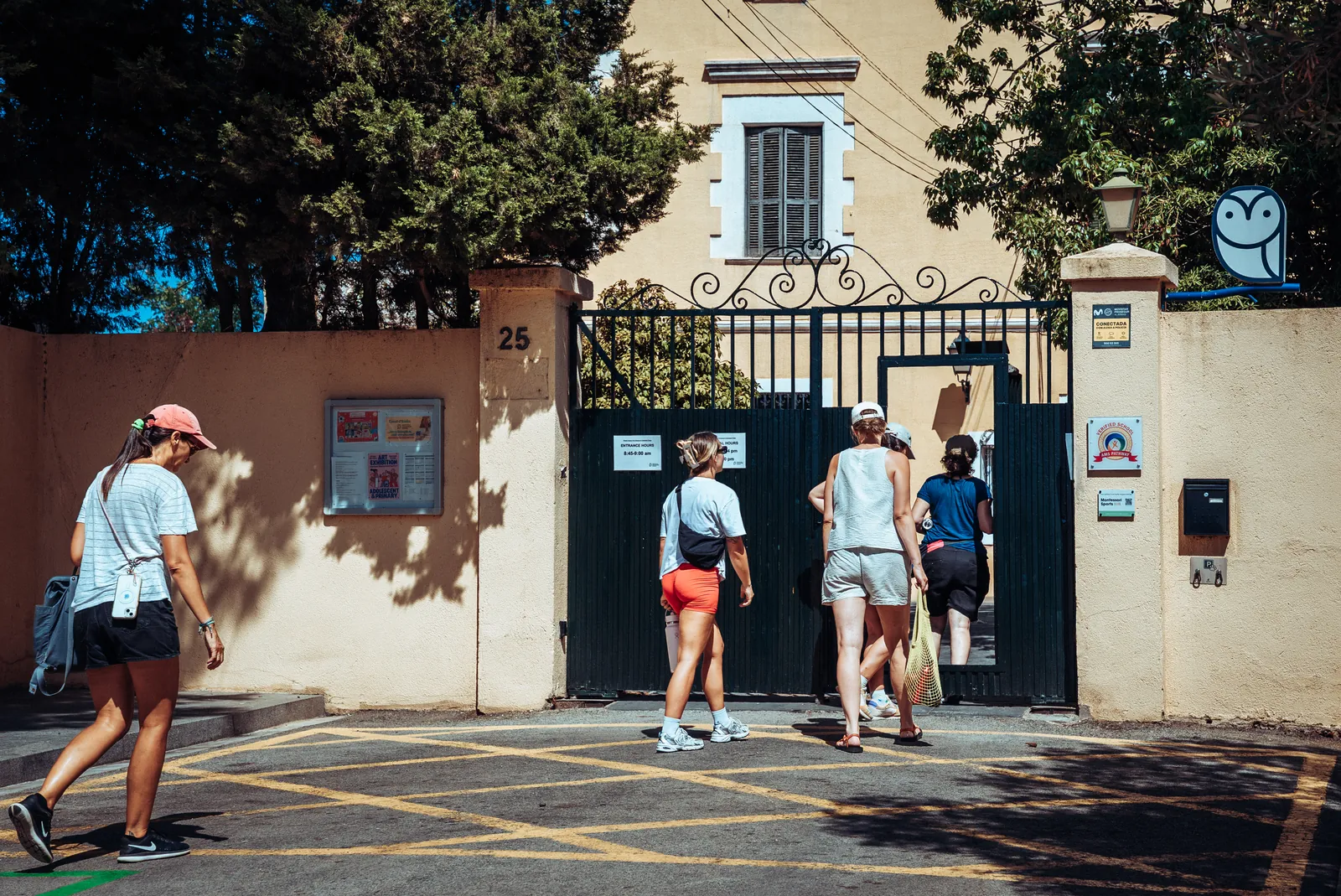
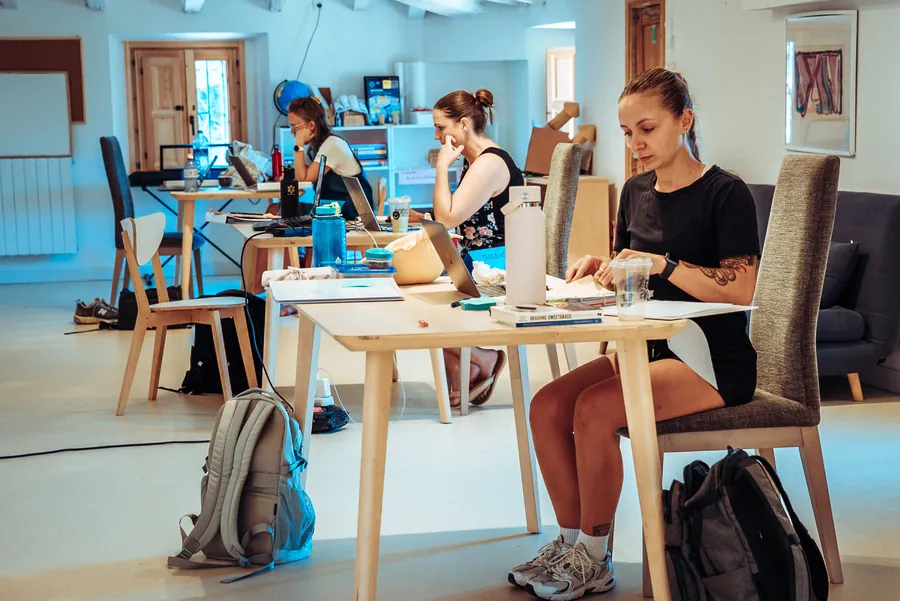
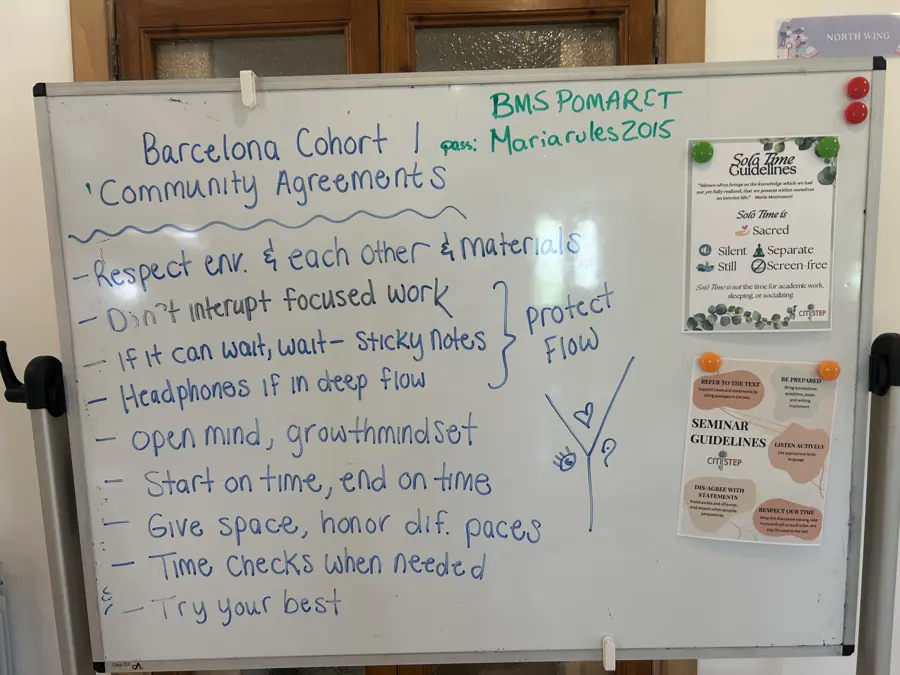
Sessions are held at the training centre on Carrer Pomaret — a heritage masia with six thousand square metres of garden — alongside the Secondary programme of Barcelona Montessori School.
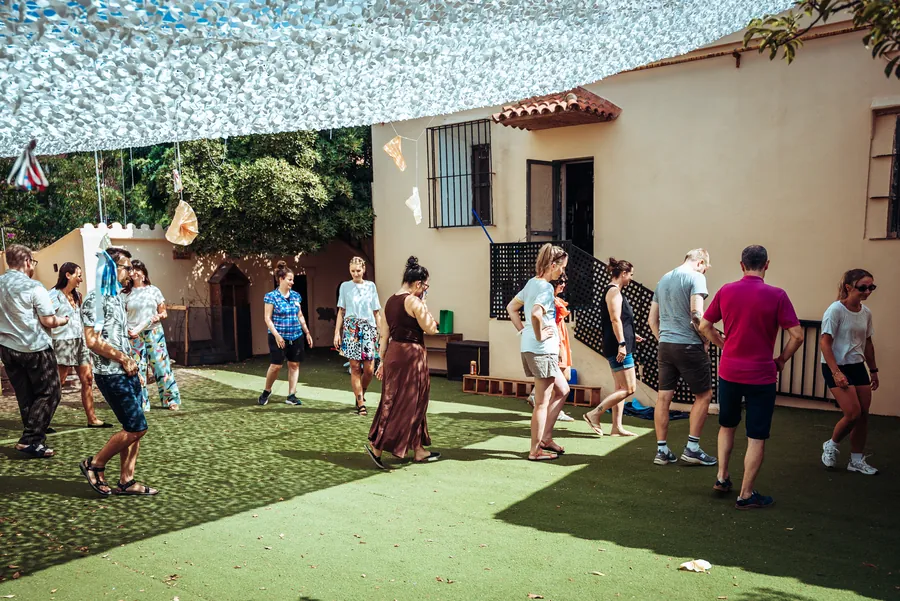
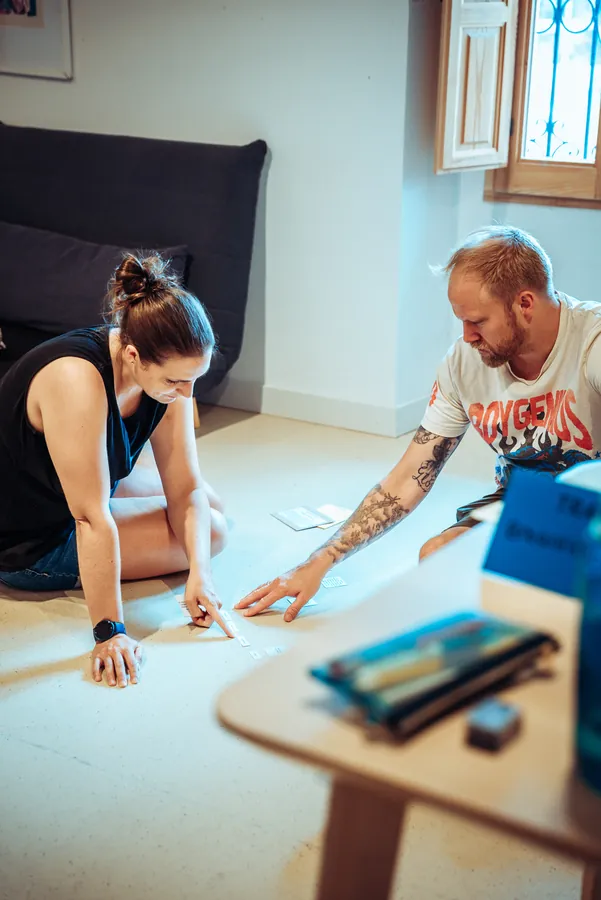
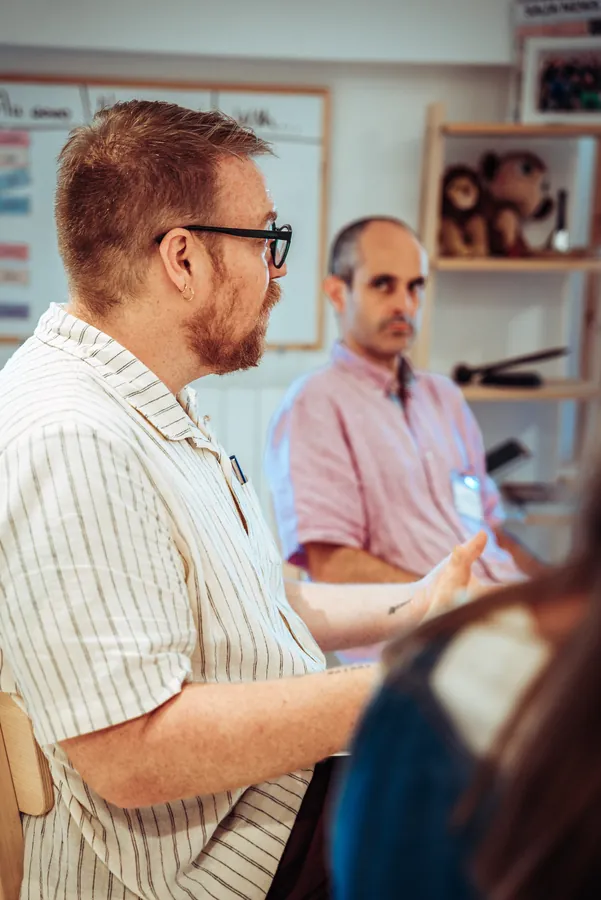
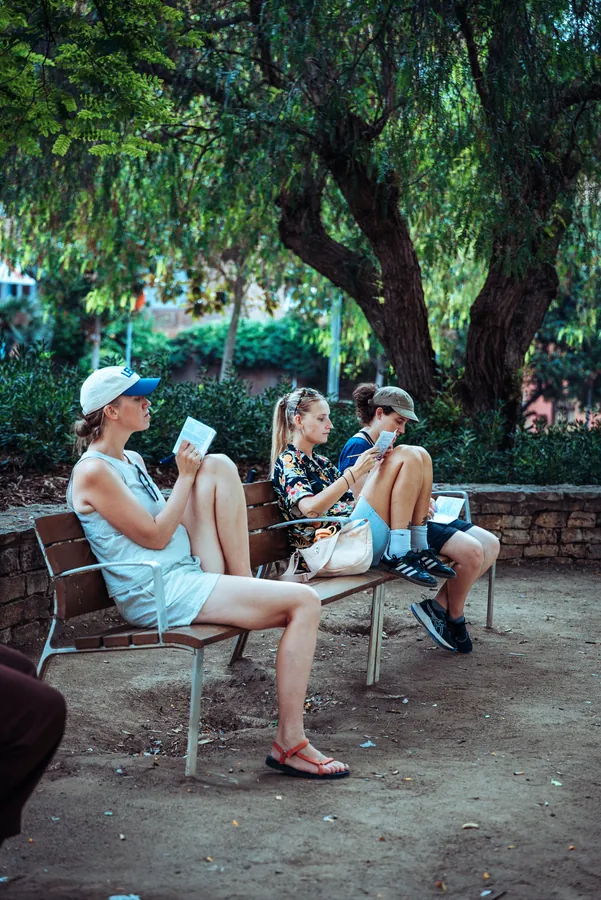
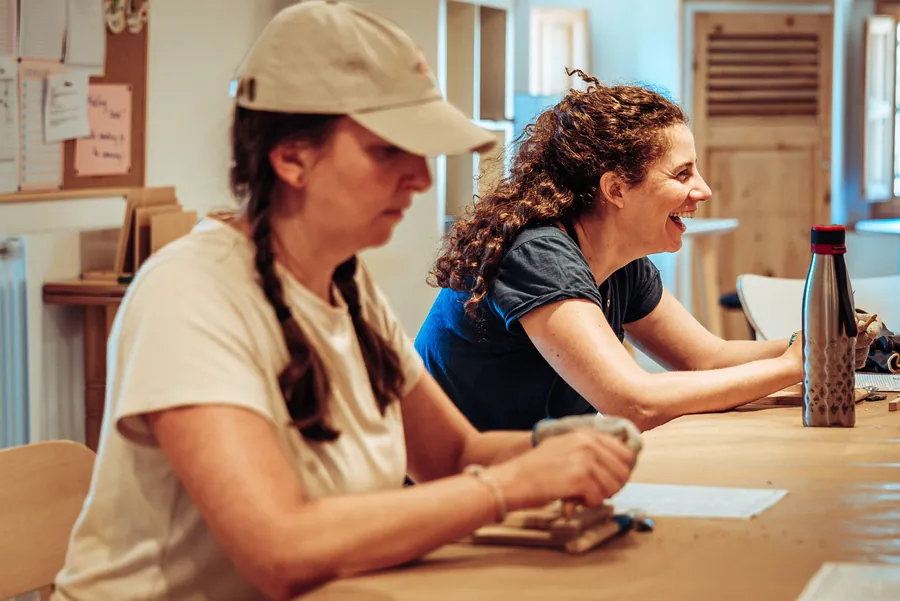
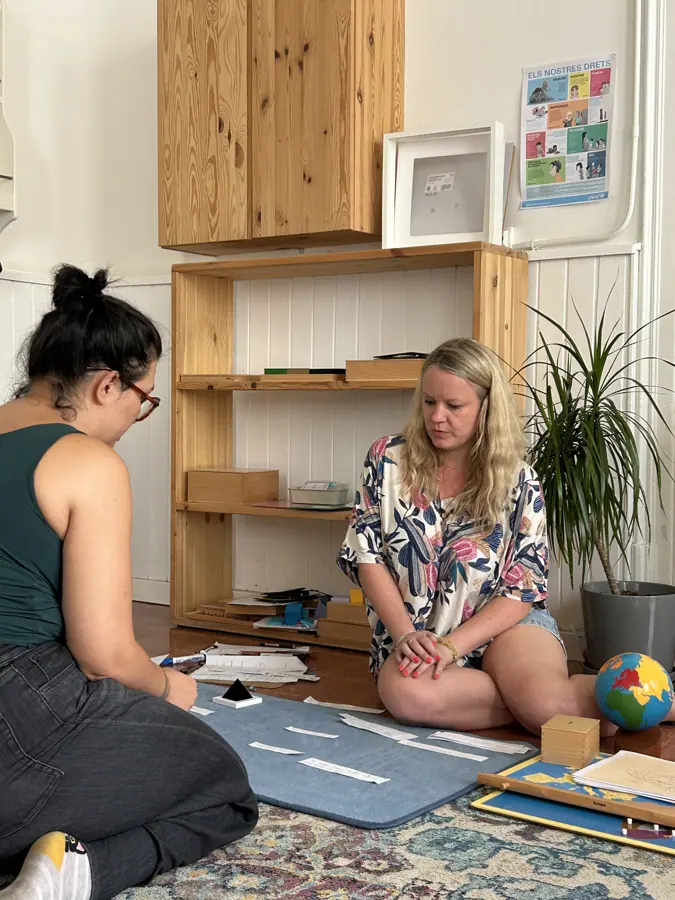
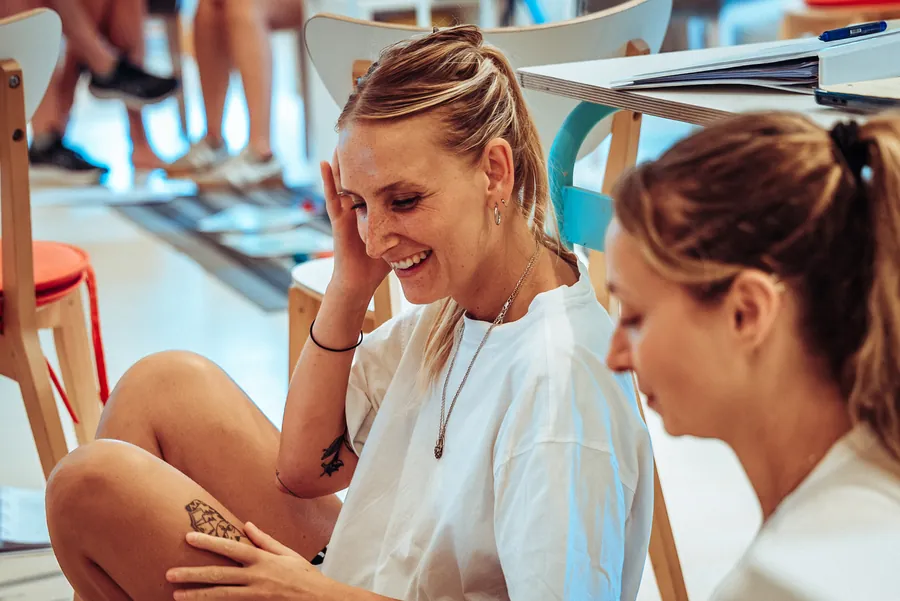
“Wow! The word training is conspicuously inadequate to describe the experience I just went through.”A participant, Barcelona cohort
Fees
What it costs, in full.
Tuition is set and invoiced by CMStep. This is the complete schedule for the Barcelona site — no partial numbers, no surprises at enrolment. The fee page has the rest: when each payment falls due, what is included, payment plans and what your school can be invoiced for.
| Item | Amount |
|---|---|
| Enrollment feeAt application — includes the application fee, AMS and MACTE adult-learner fees and access to the online prerequisite courses. Non-refundable. | €800 |
| Additional location feeAt application — for training at the Barcelona site. | €300 |
| Tuition and materialsBy the first day of coursework. | €9,100 |
| Total | €10,200 |
Recognition, precisely
Who accredits what.
Worth reading carefully, because the Cincinnati programme and the Barcelona site sit at different stages of the same process.
| Body | Status | Applies to |
|---|---|---|
| American Montessori Society | Affiliated since March 2007 | CMStep as a training provider |
| MACTE | Accredited since March 2007 | CMStep as a training provider |
| MACTE | Applicant in Good Standing | The Secondary I–II courses held in Barcelona |
What that means for youThe credential you earn is the AMS Secondary I–II Credential, awarded by an AMS-affiliated, MACTE-accredited provider. The Barcelona site itself is progressing through MACTE's own accreditation process; Applicant in Good Standing is a recognised step in it, but it is not accreditation and does not determine the outcome. We would rather you read that here than find it in a footnote.
Who runs it
Twenty years of adolescent training, brought to Catalonia.
CMStep grew out of Clark Montessori — founded in 1994 as the first public secondary Montessori school in the United States — and has been preparing Secondary guides since its first cohort in the summer of 2004. It is led by executive director Katie Keller Wood, and was co-founded by Marta Donahoe.
Barcelona Montessori School hosts the European site, so the theory is never more than a corridor away from twelve-year-olds actually living it.
Questions
What people actually ask.
Do I need to speak Spanish?
No. The course is taught in English. Instructors are bilingual, and written work may be submitted in Spanish if that is easier for you.
Can I keep teaching while I train?
Yes — that is the point of the low-residency model. Minimesters are online across the year, and the practicum year is spent in your own classroom. Only the nineteen residency days require you to be in Barcelona, and all of them fall in the school holidays — summer and Christmas — so you never have to ask for time off.
Do I need previous Montessori training?
Not for the Secondary credential itself. If you already hold a Montessori Elementary credential you are exempt from The Overview Course; if not, you complete it before the credential is awarded.
Is there research behind this?
Yes, and we quote it precisely rather than generally — see The evidence, above. In short: across a decade of studies from Lausanne, students from Montessori schools learn from errors differently, attach no verdict to being wrong, and score higher on creative thinking. The authors call these comparisons, not proofs, and so do we.
What do I submit to apply?
A current CV, a personal statement, two letters of recommendation and an official academic transcript, plus agreements signed by you and by your school. Low-residency applicants also complete an admissions interview. Decisions usually take about five business days once everything is in.
Can I earn academic credit?
Yes. Graduate credit toward a master's degree is available through Xavier University. Participants meet that cost separately from the fees above.
Where exactly does it take place?
At the training centre, Carrer Pomaret 25, in the Sarrià neighbourhood of Barcelona — a heritage masia with six thousand square metres of garden, shared with Barcelona Montessori School's Secondary programme.
At a glance
- Credential
- AMS Secondary I–II
- Awarded by
- CMStep
- Ages covered
- 12–18
- Length
- About 2 years
- Online minimesters
- 9 × 25 hours
- Days in Barcelona
- 19, all in school holidays
- Language
- English
- Total fees
- €10,200
- Next cohort
- Summer 2028
Applying
Step through.
Four questions, about two minutes. We reply within one working day with the outline, the pacing guide and an answer to whatever this page left open — and ask anything else we need then.
Prefer to talk first? Book a 20-minute call on video, Tuesdays and Thursdays.
What happens after that
- We reply with the outline, the pacing guide and the current cohort dates.
- Apply through CMStep — CV, statement, two references, transcript, signed agreements.
- Admissions interview, then a decision in about five business days.
- Pre-training begins with Introduction to Secondary Montessori and your set reading.